


Chemistry Classroom
As part of its informative work on the sector, how it works, what its risks and processes are, and also what the products it manufactures are and how these are present and improve people’s lives, AEQT has been promoting the Chemistry Classroom since 2007, a facility in the Tarragona Learning Camp, located in the Educational Complex, which offers students in upper primary, secondary and high school an immersion in the petrochemical industry, through an interactive and experimental methodology.
In addition to the work carried out in this classroom, where about 2,000 students pass through each year. With the creation of this classroom, the aim is to contribute to the training process of young people and support the knowledge of the industry that surrounds them. For the AEQT it is important to promote initiatives of this type, to foster the relationship and trust between industry and society through this new transparency tool.
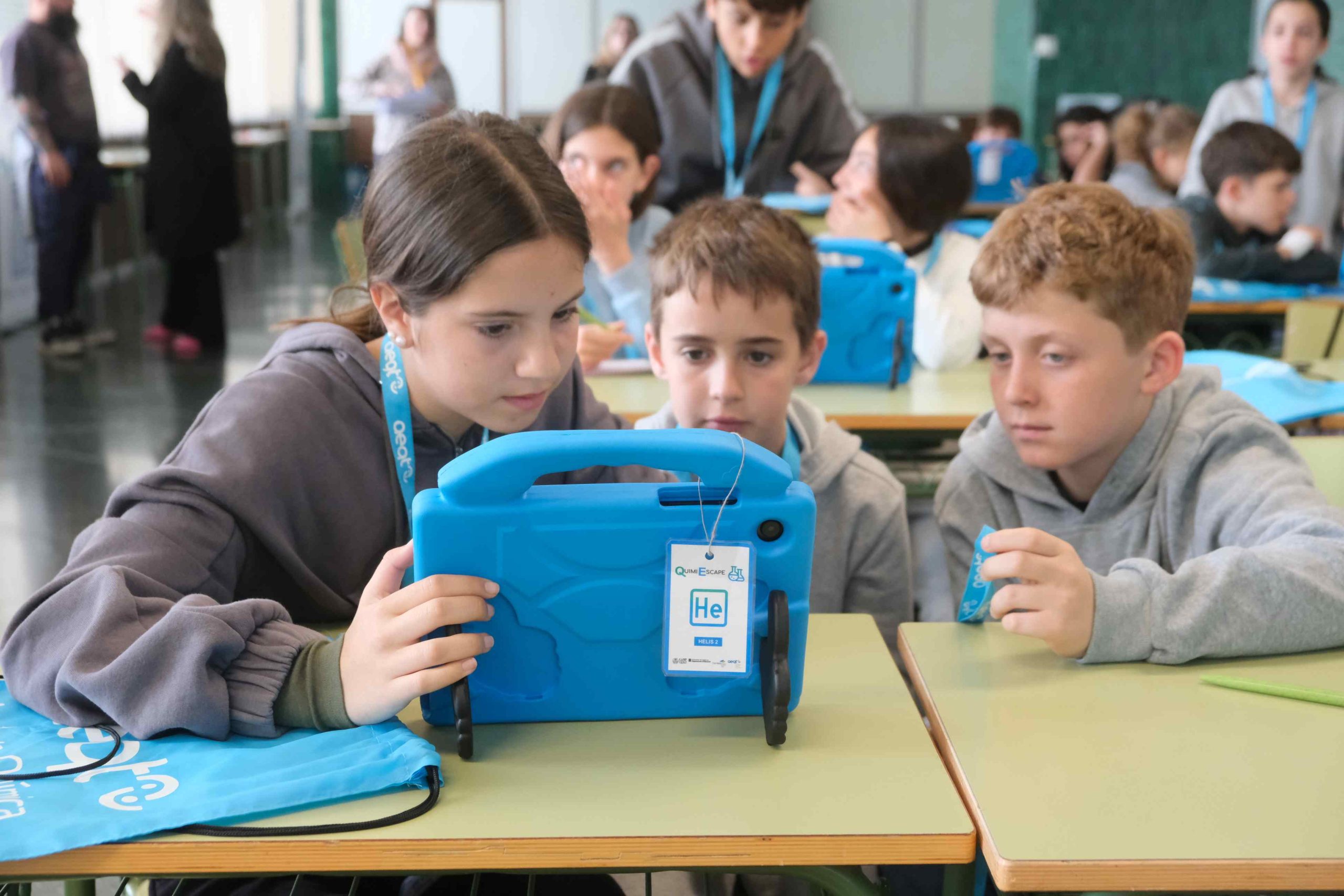
SETMANA DE LA CIÈNCIA
Experimental Workshops during Science Week

Since 1991, the Tarragona Chemical Companies Association has collaborated with the APQUA project (Learning about Chemical Products, Uses and Applications) of the URV Divulga.
In this context, the association sponsors the experimental workshops that, during Science Week, URV Divulga offers to students from the regions of Tarragona. These are practical workshops that allow young people to delve into the magic of chemistry and discover how it contributes to improving the quality of life and the environment.
In the 2025 edition, almost 1,700 students from 22 primary and secondary schools in the Camp de Tarragona region participated in these workshops, held over three weeks at the CRAI in Sescelades. The workshop “My watercolor factory” was held, generically related to the operation of chemical production plants, and which takes the form of a pilot paint production plant with the dual objective of, on the one hand, introducing basic knowledge of programming and robotics related to the operation of elements of a production plant, testing the work of a chemical plant operator, introducing the contributions of chemistry and chemical, electronic and computer engineering in the operation of an industrial production plant; and on the other hand, promoting vocations and contributing to attracting female students to scientific and technological disciplines.
Tarragona’s Chemistry Research Prize
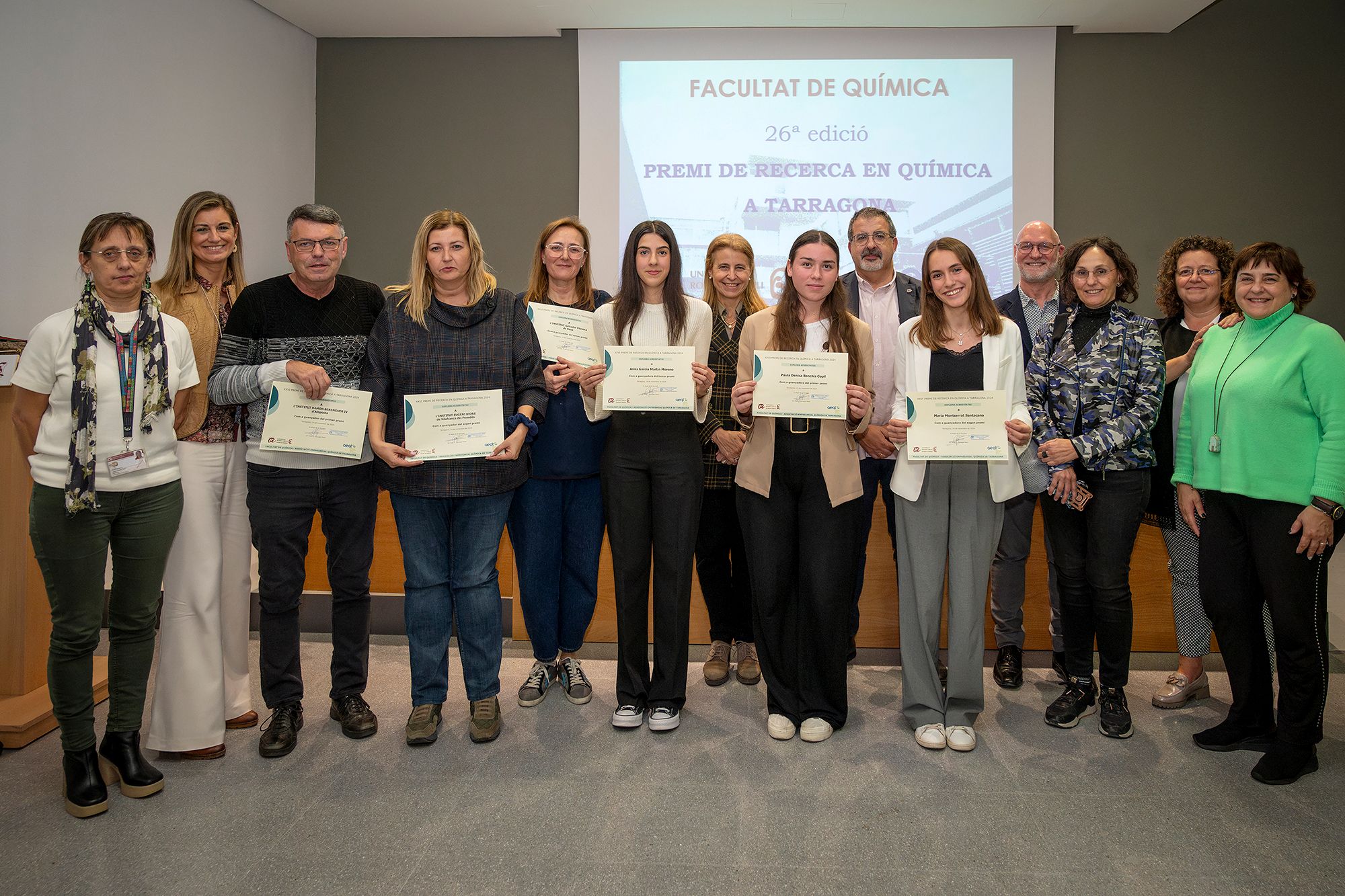
Since its inception in 1999, the AEQT has organized, together with the Faculty of Chemistry of the URV, the Tarragona Chemistry Research Award. These awards aim to reward the scientific spirit and promote interest in chemical science and technology.
It is open to basic, applied or educational research on chemistry by students from either public or private schools, preferably from high school, performed under the supervision of one or more of their teachers. This prize represents a pioneering effort in rewarding and stimulating research work in secondary education in Tarragona, and seeks to foster research and scientific vocations in high school seniors. Each year first, second and third prizes are awarded, all of them including a cash prize for the student an another one for their school.
TRiCS Forum
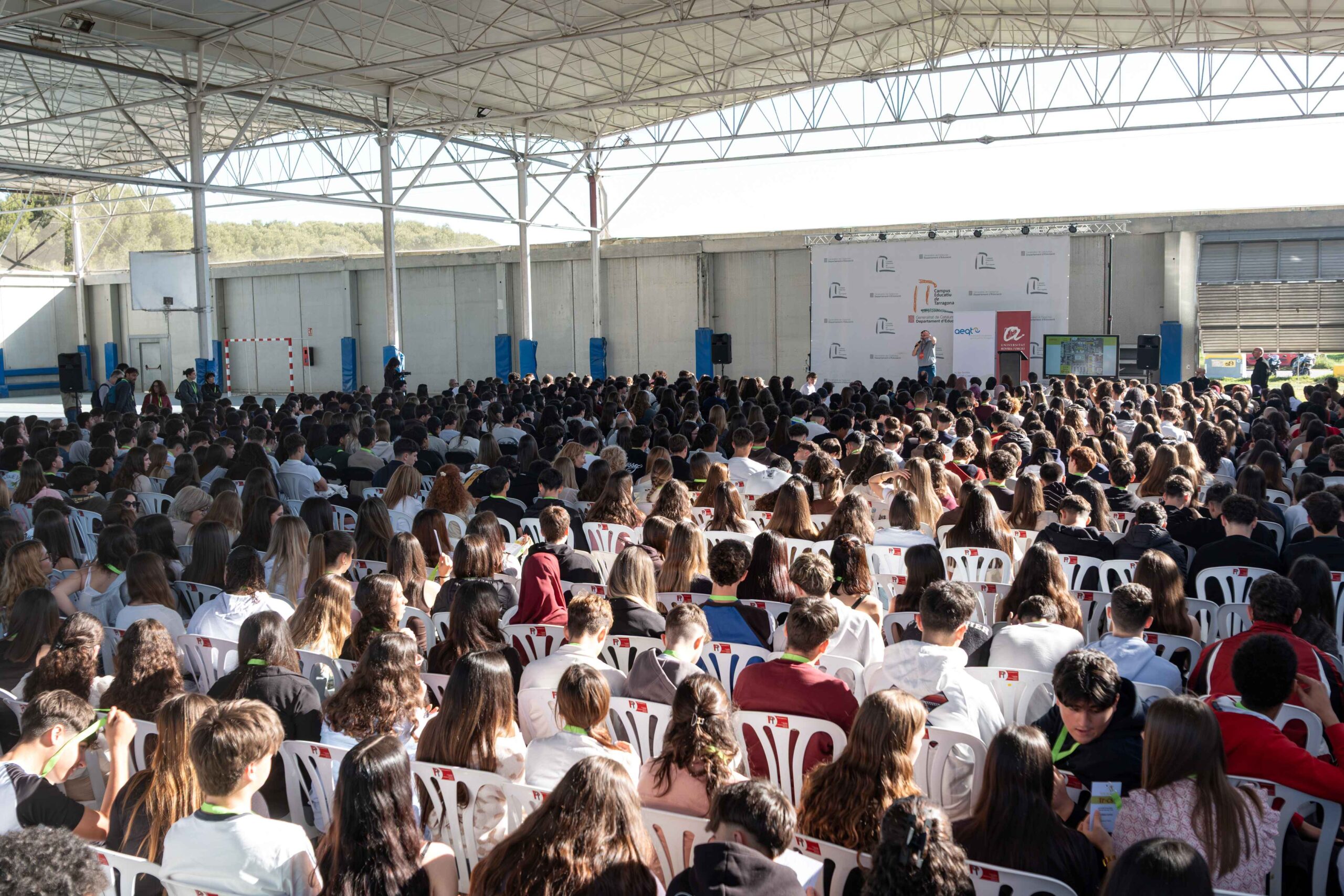
The AEQT collaborates with the TRiCS Forum (Research Works and Synthesis Credits). Every year around April 2,600 students from over 40 educational centers in Tarragona gather at Tarragona’s Educational Complex.
The Forum’s main activity is to have high school or trade school seniors present their course work. This helps high school or trade school juniors acquire new ideas on different subject matters and procedures.
The main goal is to foster the exchange of ideas, improve student communication skills and provide orientation and information on university studies. The project is reflects the values of AEQT’s and the chemical sector: research, academic excellence, solidarity, generosity – seniors presenting their work in order to help junior students- fostering scientific vocations, and supporting future talent. It is also a meeting space where the educational community can exchange experiences.